Junior Golf Lessons: How to Pick the Right Coach
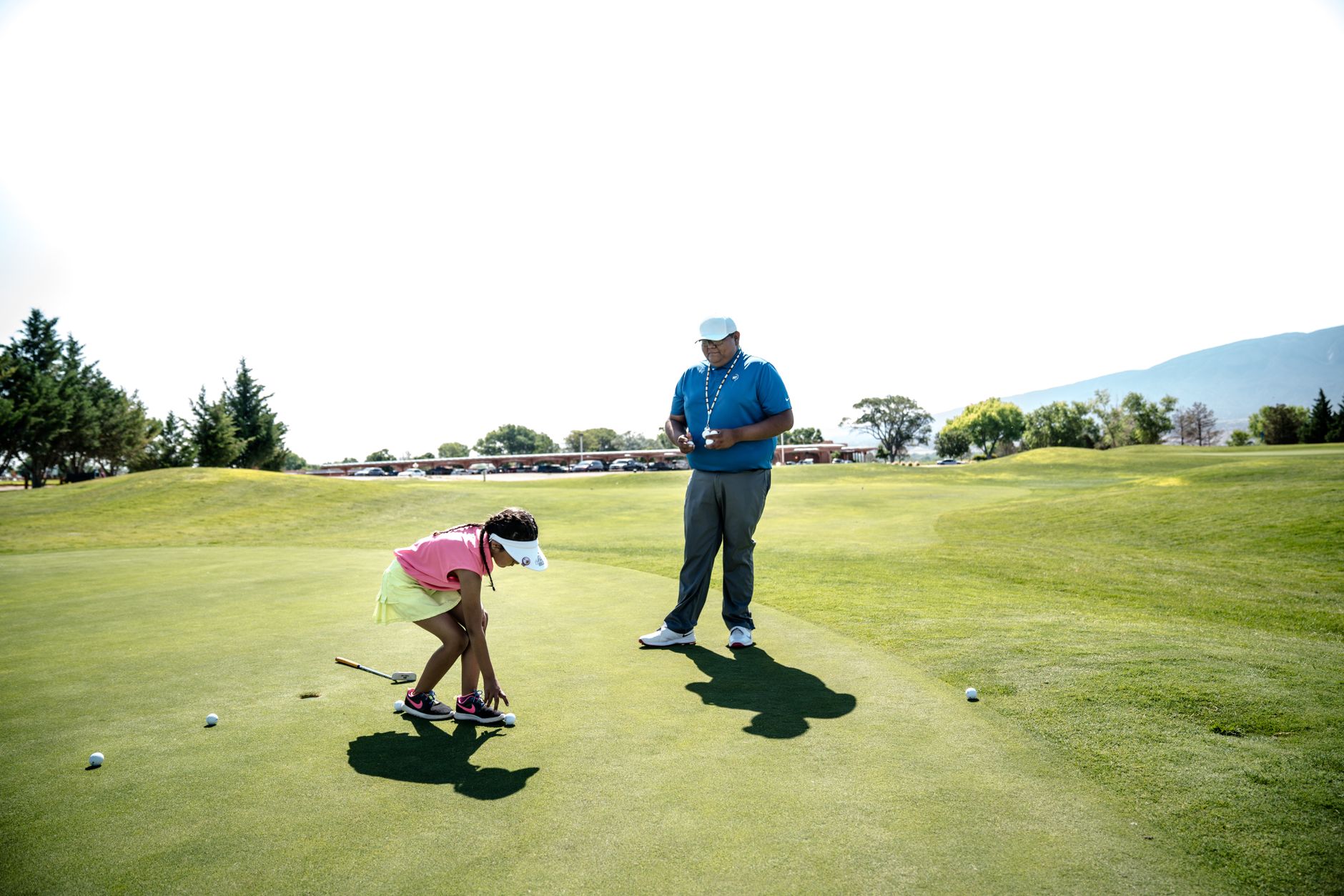
Finding the right coach for your child can feel overwhelming, especially when every instructor claims to be great with kids. Junior golf lessons are an investment in your child's confidence, athletic development, and long-term enjoyment of the sport. Here is what our coaches at LinksCoach Golf recommend parents look for before signing up.
What Makes Junior Golf Lessons Different From Adult Instruction
Kids are not small adults. Their attention spans, motor development, and emotional needs require a completely different teaching approach. A coach who excels with scratch adult players may struggle to hold a nine-year-old's focus for more than ten minutes.
Look for an instructor who:
- Structures lessons in short, focused blocks of 10 to 15 minutes per concept
- Uses games and competitions to reinforce fundamentals instead of endless repetition
- Adjusts language and feedback to match the child's age and experience level
- Measures success by engagement and improvement, not just score
Coaches certified through programs like the PGA's PGA Jr. League or those with youth coaching credentials have usually completed specific training in child development alongside golf technique.
Does the Coach Have a Clear Progression Plan?
One of the most important questions to ask any junior instructor is simple: what does progress look like over the next three to six months?
A strong coach will give you a concrete answer. For a beginner aged seven to ten, that might mean:
- Establishing a consistent grip, posture, and setup by month two
- Making solid contact with short irons at least seven out of ten swings
- Playing three to five holes on a par-3 course with basic rules knowledge
For a more competitive junior aged twelve to fifteen, a good progression plan covers swing mechanics, on-course decision making, and short game skills like chipping to a landing zone rather than the hole. That last drill matters because it teaches course management early, which separates good junior players from great ones.
Avoid coaches who speak only in vague terms like "we will work on fundamentals." You deserve specifics.
How to Evaluate a Coach's Communication Style With Kids
Before committing to a full lesson package, request a trial session or at least observe a lesson with another junior student. Watch how the coach handles a mistake.
Does the instructor:
- Stay calm and curious rather than frustrated
- Ask the child what they felt instead of simply telling them what went wrong
- Celebrate small wins out loud
- Keep body language open and encouraging
Kids internalize a coach's energy. A child who feels judged during junior golf lessons will dread practice. A child who feels supported will ask to go to the range on their own.
In the Dallas-Fort Worth area, where junior programs run year-round thanks to the mild winters and abundant public courses, consistent practice habits built early pay off enormously. A coach who makes lessons enjoyable is more valuable than one who is technically brilliant but emotionally disconnected.
What Should Junior Golf Practice Actually Look Like?
Parents often ask us whether their child needs to practice between lessons and what that should look like. The honest answer is that quality beats quantity at every age.
For juniors in the seven to twelve range, two or three 20-minute practice sessions per week are more productive than one long weekend grind. Good coaches will send families home with specific, playable drills such as:
- The coin drill: place a coin two inches in front of the ball and challenge the child to brush the coin at impact, building a forward strike habit
- The gate drill: set two tees just wider than the putter head and practice rolling putts through the gate from five feet, focusing on a straight path
- The landing zone chip: pick a spot on the green to land the ball rather than aiming at the hole, which teaches trajectory and distance control together
These are drills our LinksCoach instructors use regularly because they give kids immediate feedback without requiring a parent to evaluate the swing.
What Experience Should a Junior Golf Coach Have?
Certification matters, but so does real-world experience working with youth. Ask prospective coaches how many junior students they currently teach, what age ranges they prefer, and whether they have worked with beginners as well as competitive players.
Coaches who only work with competitive tournament juniors may not be the right fit for a curious eight-year-old just starting out. Conversely, if your fourteen-year-old is aiming for the high school team, you want someone familiar with junior golf lessons at a competitive level, including mental game basics and pre-round routines.
In DFW, several coaches also integrate range time at practice facilities with real on-course instruction, which is ideal because course conditions teach juniors things a mat at a driving range simply cannot.
Finding the Right Fit for Your Child
The best junior golf coach is the one your child actually wants to go back to. Use the criteria above as your checklist: clear progressions, age-appropriate communication, practical drills, and relevant experience. Junior golf lessons done right build a foundation that lasts far beyond the junior years. Take your time, ask direct questions, and trust what you observe in that first session.