Kids Golf Lessons: An Age-by-Age Starter Guide
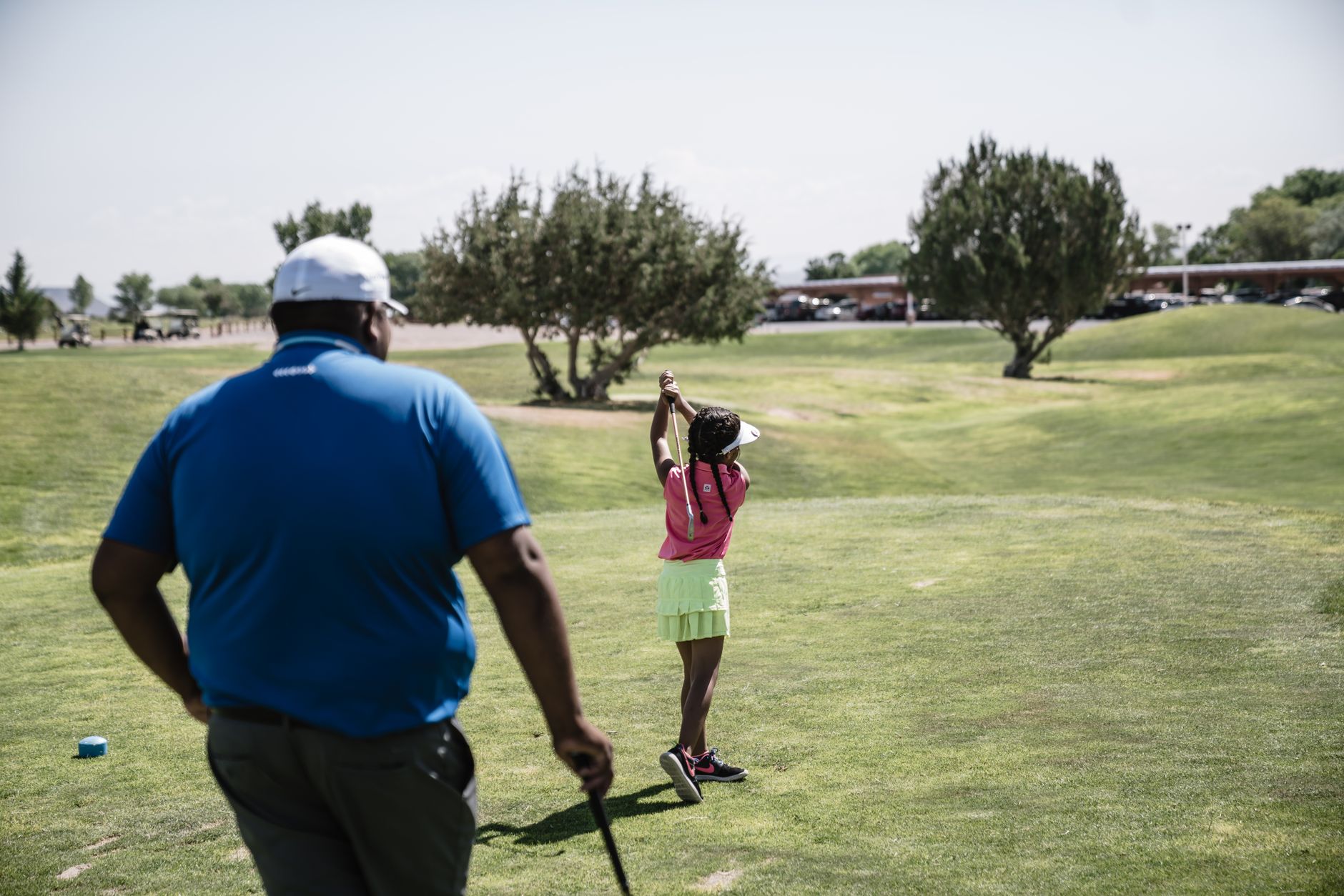
Starting your child in golf is one of the best decisions you can make for their focus, patience, and love of the outdoors. But parents often wonder whether their kid is ready, what to expect, and how to avoid making early lessons feel like a chore. Our coaches at LinksCoach Golf have worked with hundreds of junior players across Dallas-Fort Worth, and we have seen what works at every age. Here is our practical, age-by-age guide to kids golf lessons so you can give your child the best possible start.
What Is the Right Age to Start Kids Golf Lessons?
There is no single magic age, but we generally recommend introducing golf concepts around age 4 or 5 and beginning structured kids golf lessons between ages 6 and 8. Here is how development typically breaks down:
- Ages 3 to 5: Focus on fun, not fundamentals. Let kids swing foam balls in the backyard or visit a par-3 course just to explore. Attention spans are short, so keep it to 15 minutes at a time.
- Ages 6 to 8: This is the sweet spot for a first real lesson. Kids can follow simple instructions, hold a grip correctly, and begin to understand cause and effect in a swing.
- Ages 9 to 12: Players in this range can handle more technical feedback, work on course management basics, and start tracking scores on shorter layouts.
- Ages 13 and up: Teenagers can train with near-adult volume and absorb full swing mechanics, short game systems, and mental game strategies.
The key signal that a child is ready is not age alone. Watch for genuine curiosity, a willingness to repeat a motion, and the ability to listen for about 30 seconds at a time.
What Should Early Kids Golf Lessons Actually Cover?
Our coaches focus on three pillars for beginners: grip, contact, and fun. If a young player leaves a session smiling and wanting to come back, that lesson was a success.
Grip and Setup (Ages 6 to 8)
Start with a neutral grip using a junior club sized to the child's height. A quick check: the butt of the club should reach the child's hip crease when standing upright. For setup, we use a simple drill called "toes on the line," where kids place their feet parallel to a chalk line or alignment stick. This builds square stance habits without overwhelming them with technical language.
Chip Before You Drive
Resist the urge to hand a beginner a driver and head to the range. We start every junior with chipping from just off a practice green. A short chip requires a small motion, produces visible results quickly, and teaches the feel of solid contact. Once a child can chip five out of ten balls onto the green consistently, they are ready to move to half-swing irons.
How Do You Keep Kids Engaged During Practice?
This is the question we hear most from parents. The answer is competition and clear targets. Kids respond to games, not repetition drills alone.
- Closest to the pin contests: Set up three targets on a chipping green and let your child compete against a sibling, parent, or coach.
- Points games: Award one point for hitting a fairway-width zone on the range, two points for a specific yardage cone. First to 10 points wins.
- Par-3 challenges: Dallas-Fort Worth has excellent par-3 courses and practice facilities with short holes. Getting on a real course early, even a beginner layout, builds excitement that no range bucket can replicate.
Keep practice sessions short. Thirty to forty-five minutes is plenty for players under 10. Quality of focus matters far more than quantity of swings.
Does Equipment Matter for Junior Golfers?
Yes, more than most parents realize. An adult club cut down is not a junior club. Proper junior sets are lighter, shorter, and have more flexible shafts that help small players actually get the ball airborne. Major junior lines now offer sets sized by height rather than age, which is a much better fit system.
In the North Texas heat, we also remind families to schedule lessons and practice rounds in the morning whenever possible. Early tee times protect young players from fatigue and keep the experience enjoyable during summer months.
Conclusion: Build the Foundation Early
The goal of early kids golf lessons is not to produce a scratch golfer by age 10. It is to build a positive relationship with the game, develop basic motor patterns, and spark enough curiosity that a child wants to keep playing. Start with fun, layer in fundamentals gradually, use games to maintain engagement, and invest in properly fitted junior equipment. Our coaches at LinksCoach Golf are here to guide your child every step of the way, from that first chip shot to their first full round on a real course.